Methods and Tools
Introduction
This Methods Toolbox is a living collection of approaches, tools, and practices I use in community-engaged research, creative placemaking, and leadership. It reflects my belief that research is most meaningful when it is participatory, relational, and grounded in lived experience. The toolbox is practical and adaptable, ready to support my CLDR Capstone, future research collaborations, and applied projects such as Exploring Baltimore's Creative Economy.
Through this semester, my worldview has expanded, reshaping how I understand research, creativity, and community leadership. Readings, podcasts, and exercises, from indigenous research methods (Wilson, 2008) to Critical Participatory Action Research (CPAR) (Fine & Torre, 2021), rigorous imagination, data walks, and storytelling, have helped me bridge academic research with real community impact.
Positionality Statement
I am Victoria Merab Akinyi, a multidisciplinary artist and social entrepreneur from Kampala, Uganda. I am currently a Global Shriver Peace Worker Fellow and graduate student in Community Leadership at UMBC. My work sits at the intersection of art, community development, and social impact.
My experience founding Streetlights Uganda, using art to empower street-connected children, and running an interior design studio informs my approach to research. I bring creativity, ethical responsibility, and participatory approaches as core assets. I am attentive to power dynamics and prioritize research with the community, not on it. These principles guide my engagement with creative economies and community-centered research.
Core Values That Guide My Work:
- Empowerment: Elevating community voices and talent
- Creativity: Using art and imagination as tools for problem-solving
- Equity & Inclusion: Centering marginalized and underrepresented communities
- Collaboration: Building authentic partnerships across sectors
- Sustainability: Creating programs that endure and grow
Core Methods & Practical Applications
Critical Participatory Action Research (CPAR)
Collaborative research framework where community members co-create research questions, methods, and findings. Ensures participants shape research outcomes, promoting justice, inclusion, and actionable insights.
Storytelling
Captures lived experience, context, and nuance; complements quantitative data. Document experiences of artists, entrepreneurs, and communities via photography, audio, and digital storytelling.
Data Walks
Interactive method engaging communities with datasets for analysis, dialogue, reflection. Participants analyze maps, charts, and indicators to co-interpret creative economic patterns.
Collective Mapping
Visual participatory method showing how resources, opportunities, and creative flows operate. Makes invisible systems visible, identifies leverage points, encourages collaborative problem-solving.
Asset-Based Community Development (ABCD)
Focus on existing community strengths rather than deficits. Identify gifts, talents, and resources in Baltimore and in Streetlights Uganda projects. Promotes empowerment, local agency, and sustainable development.
Creative Arts & Placemaking for Social Impact
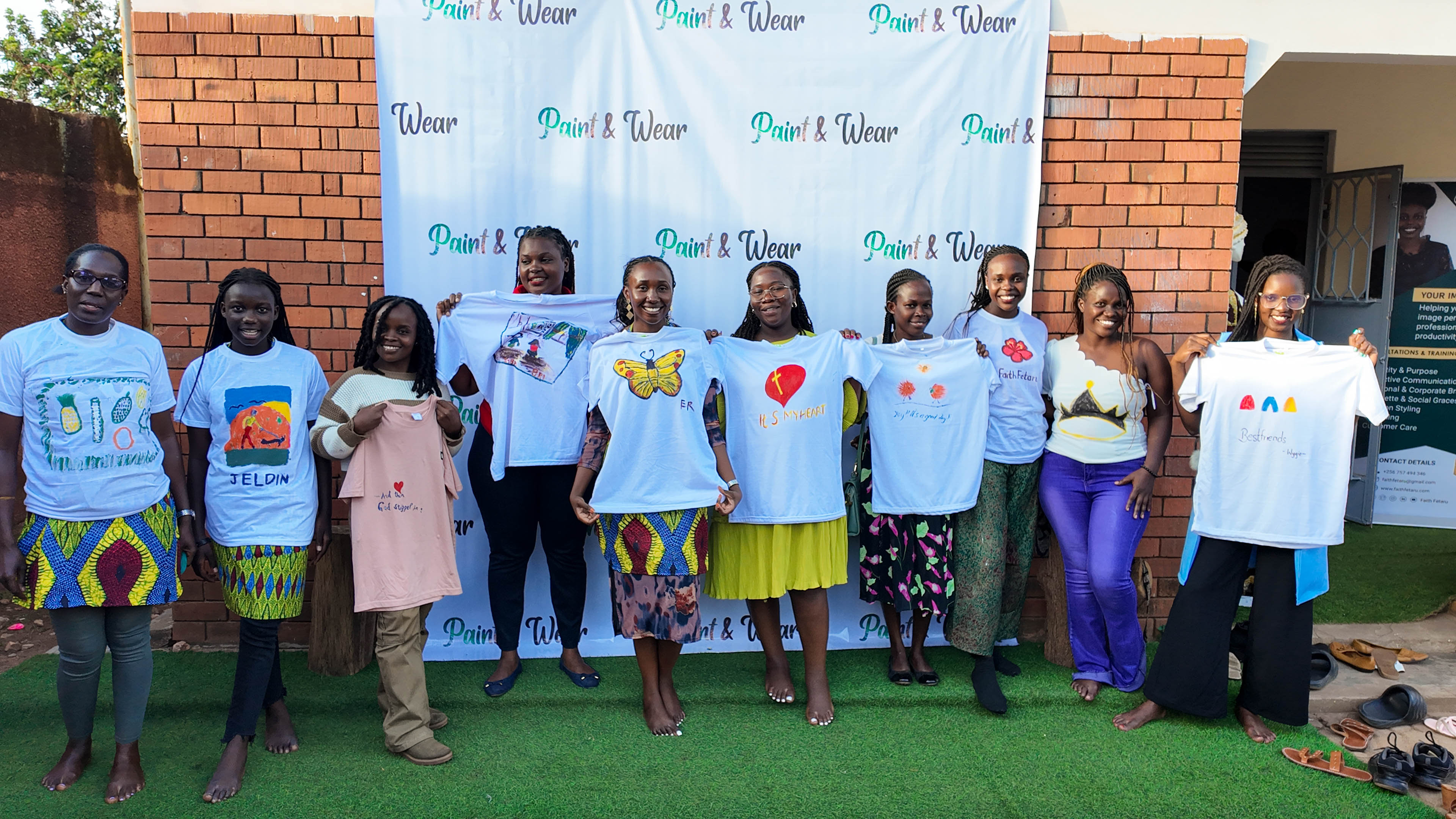
Artistic direction for murals, fashion, textiles, interior design, and interactive experiences. The Art District Uganda, Ntunga Program, Paint & Wear workshops, Global Cultural Series.
Radical & Rigorous Imagination
Combines visionary thinking with critical analysis to explore possibilities beyond conventional frameworks. Co-creating definitions of economic impact beyond financial measures.
Additional Tools & Methods
- • Digital storytelling & photography
- • Deep listening & active facilitation
- • Restorative circles & justice-based dialogue
- • Placemaking for research site selection
- • Leadership tools: allyship, coach-leadership, creating safe & brave spaces
Art Therapy & Creative Expression
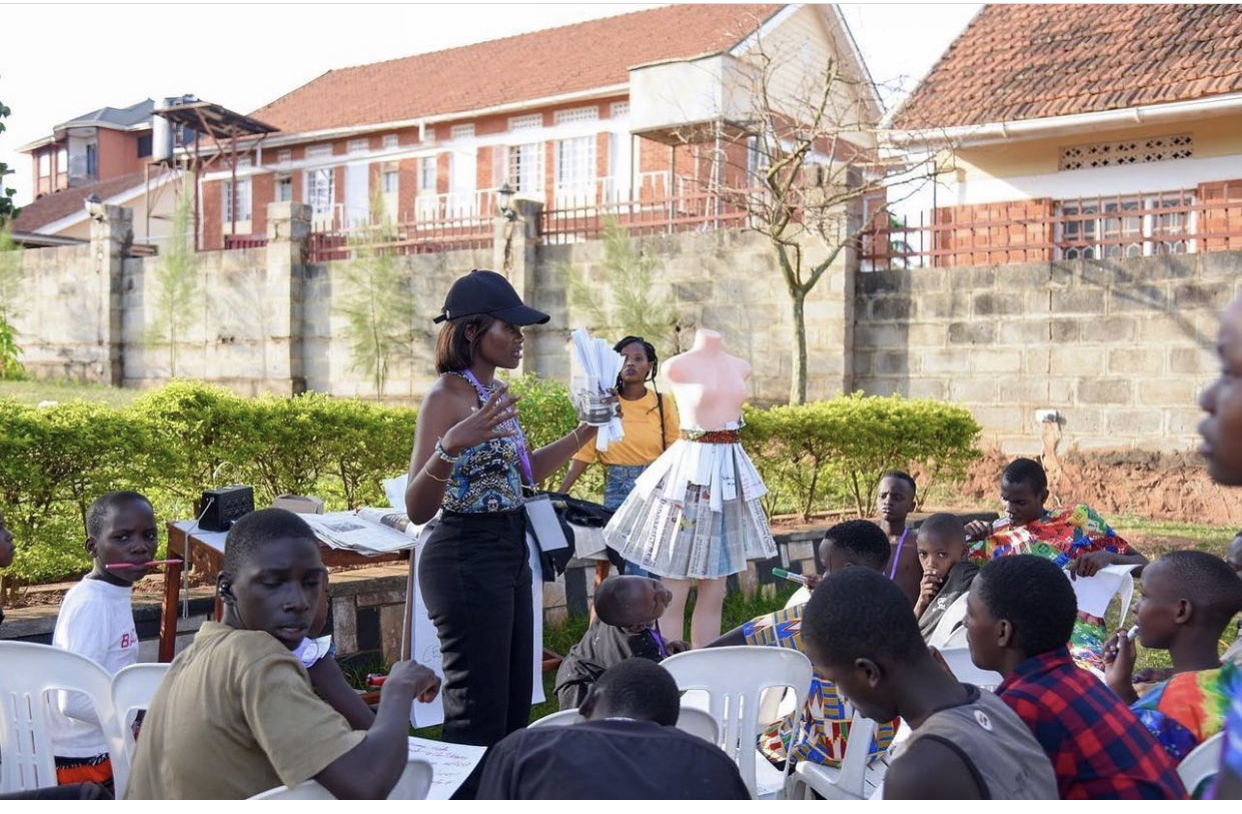
Trauma-Informed Art Practice
Art therapy provides a non-verbal pathway for processing trauma, expressing emotions, and building resilience. I integrate trauma-informed principles into all creative programs.
- • Safe space creation
- • Choice and control
- • Non-judgmental environment
- • Strength-based focus
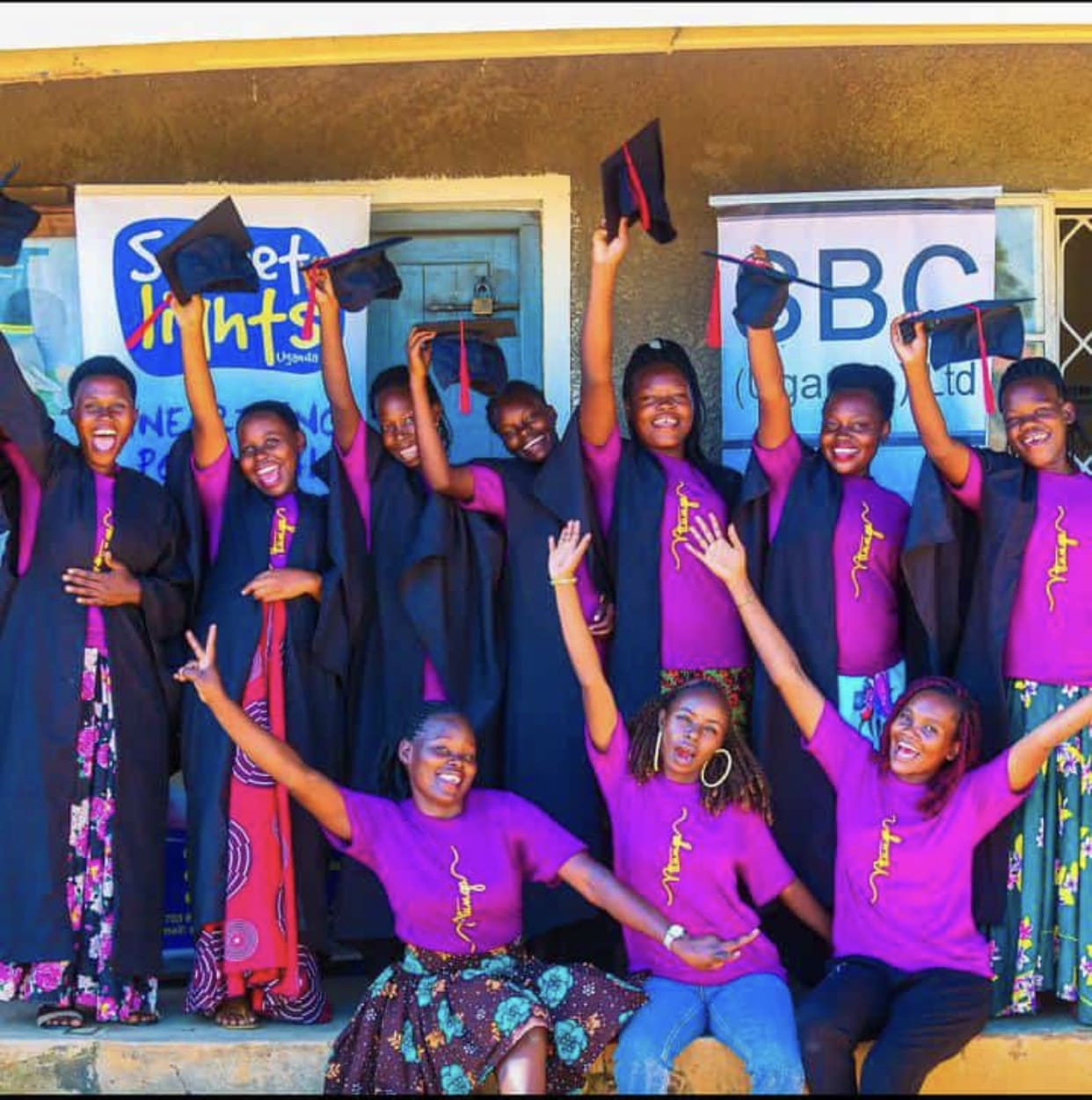
Creative Workshops
Structured creative workshops serve multiple purposes: skill-building, therapeutic expression, community building, and economic empowerment.
- • Painting and drawing sessions
- • Textile design workshops
- • Mural creation projects
- • Storytelling through art
Applications in Practice
Exploring Baltimore's Creative Economy
Methods: CPAR, Data Walks, Storytelling, Collective Mapping. Revealed patterns of creative value circulation, resource leakage, elevated local knowledge, co-produced actionable recommendations.
Streetlights Uganda Projects
Methods: ABCD, Storytelling, CPAR, Participatory Data Collection. Empowered street-connected youth and women, strengthened community agency.
The Art District Uganda
Methods: Place-making, ABCD, Collective Mapping, Storytelling, CPAR. Created vibrant creative ecosystem, fostering collaboration, cultural preservation, and economic growth.
Baltimore Creative Economy
Co-designed research with local artists, youth, and neighborhood leaders. Participants acted as co-researchers to map creative value flows and co-produce actionable recommendations.
Ntunga Program (Uganda)
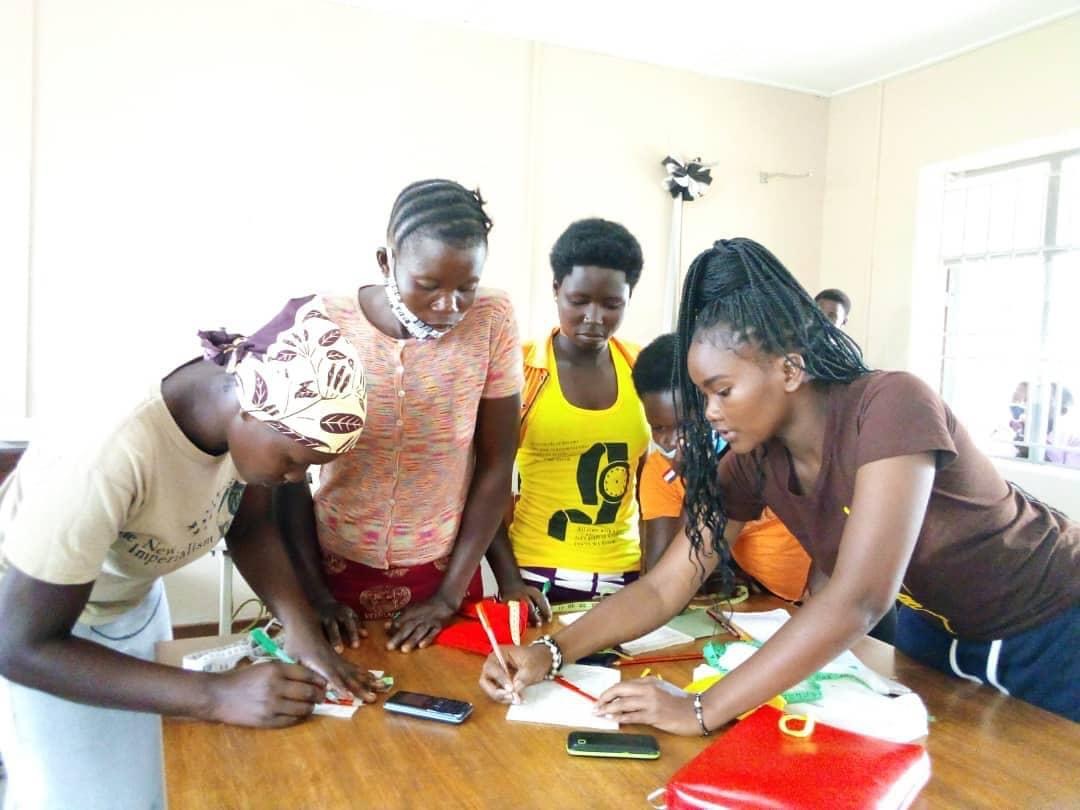
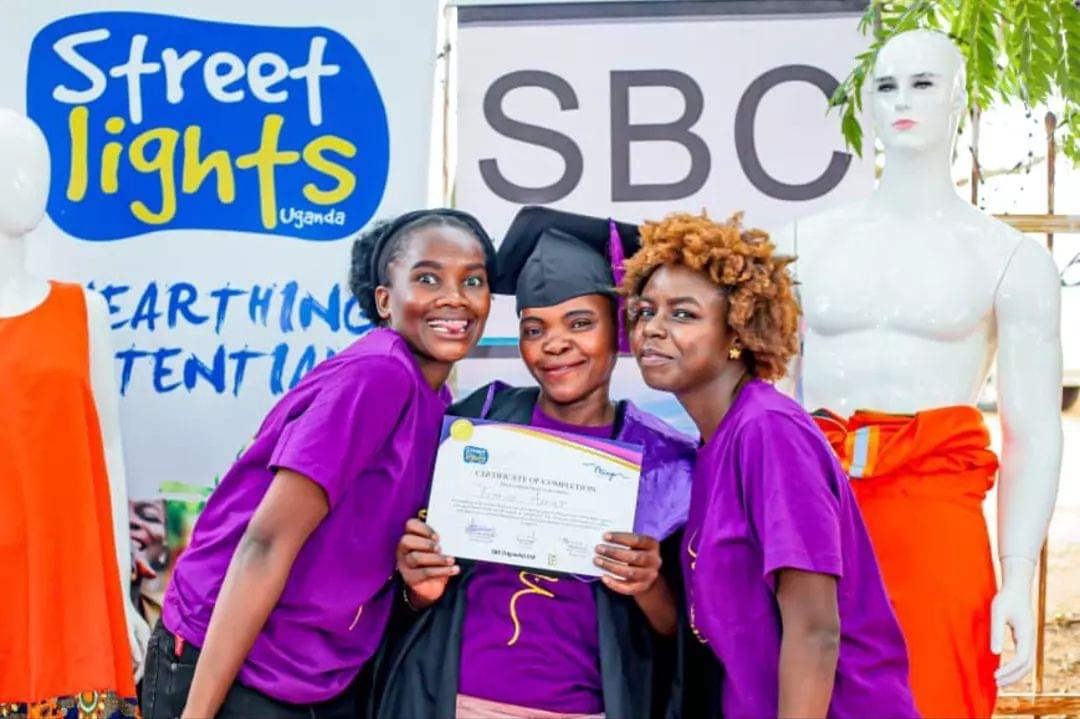
Methods: Creative Arts, Leadership Coaching, ABCD. Trained over 90 underprivileged women in fashion and design, producing over 1,000 creative tote bags for international events.
Global Cultural Series
Designed immersive experiences introducing Baltimore audiences to diverse global cultures. Activities include cooking workshops, cultural storytelling, and signature festivals.
Paint & Wear
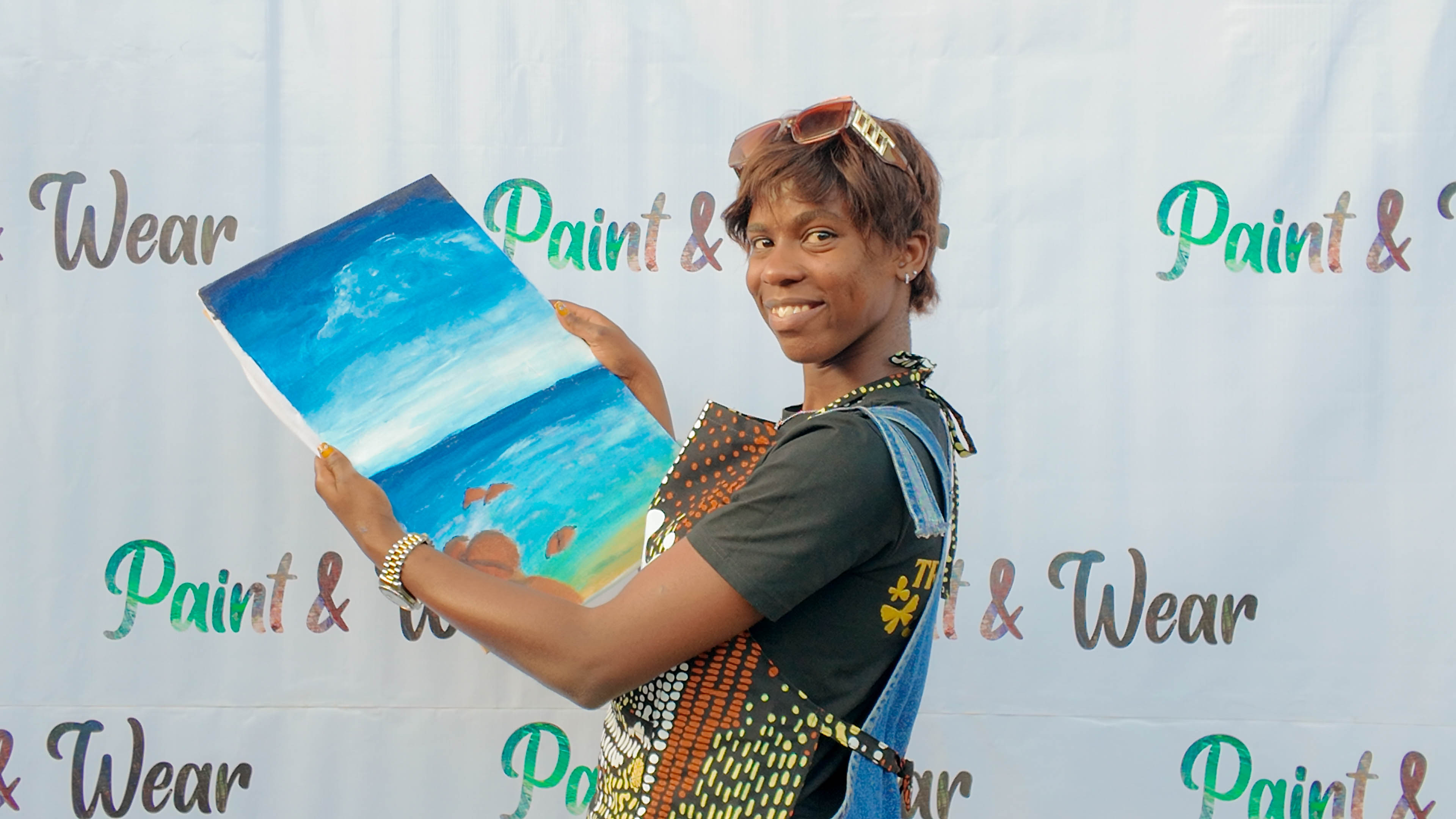
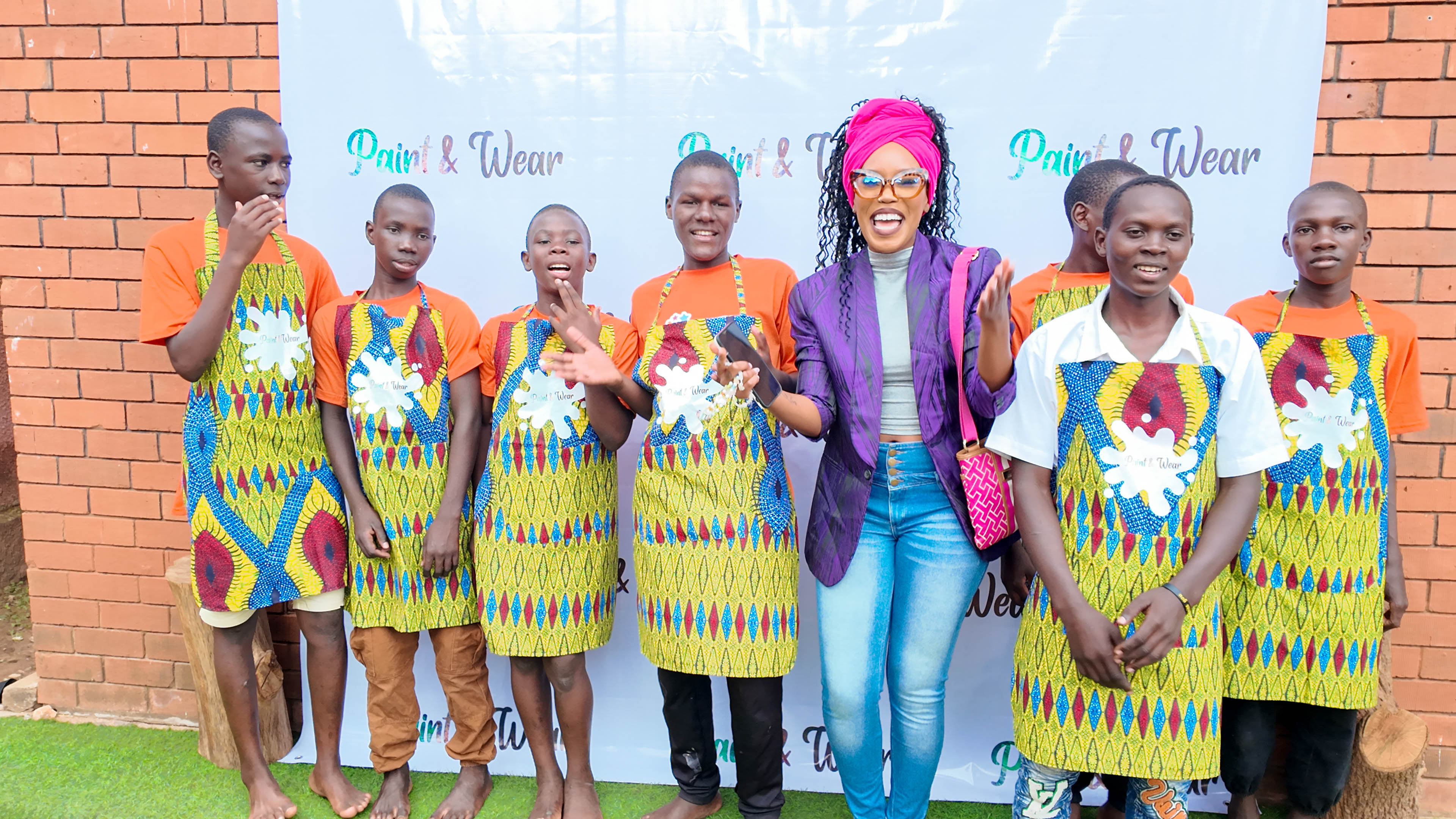
Monthly creative workshops where participants paint wearable art inspired by Streetlights Uganda youth. Supports global arts partnerships and generates earned income.
Key Reflections
- • Research is most impactful with the community, not on it
- • Creativity is central to problem-solving, research, and knowledge translation
- • Storytelling bridges perspectives and creates empathy
- • Inclusive methods like Data Walks and CPAR reveal hidden patterns and promote shared understanding
- • ABCD ensures community strengths guide interventions
Learning & Professional Development Goals
- • Deepen participatory facilitation for data walks and collective mapping
- • Explore advanced digital storytelling techniques
- • Translate community-generated knowledge into policy, funding, and advocacy tools
- • Integrate creativity with ABCD, CPAR, and radical imagination for applied projects
References
- Ball, P. (2019). Homo imaginatus: Why imagination is humanity's greatest asset. Aeon.
- Fernbach, P. (2025). Hidden Brain: How Much Do We Really Know? NPR.
- Fine, M., & Torre, M. E. (2021). Essentials of critical participatory action research. APA.
- McKnight, J. L., & Russell, C. (2018). The Four Essential Elements of an Asset-Based Community Development Process.
- Wilson, S. (2008). Research is Ceremony: Indigenous Research Methods. Fernwood Publishing.
- National Park Service. (n.d.). Tracing the lives of the enslaved.
Asset-Based Community Development (ABCD)
ABCD is a methodology that focuses on identifying and mobilizing existing community assets rather than focusing on deficits. This approach recognizes that every community has strengths, resources, and knowledge that can be leveraged for positive change.
Key Principles
- • Identify existing community assets
- • Build on strengths, not deficits
- • Community-driven solutions
- • Internal resource mobilization
- • Relationship-building focus
Application
I use ABCD in program design, community assessments, and strategic planning. For example, the Ntunga Fashion Program builds on women's existing sewing skills and cultural knowledge, rather than starting from scratch.
Art Therapy & Creative Expression
Trauma-Informed Art Practice
Art therapy provides a non-verbal pathway for processing trauma, expressing emotions, and building resilience. I integrate trauma-informed principles into all creative programs.
- • Safe space creation
- • Choice and control
- • Non-judgmental environment
- • Strength-based focus
Creative Workshops
Structured creative workshops serve multiple purposes: skill-building, therapeutic expression, community building, and economic empowerment.
- • Painting and drawing sessions
- • Textile design workshops
- • Mural creation projects
- • Storytelling through art
Restorative Practices
Restorative practices focus on repairing harm, building relationships, and strengthening community bonds. These practices create spaces where conflict can be addressed constructively and where all voices are heard.
Circles
Structured dialogue circles create safe spaces for sharing, listening, and collective problem-solving. Everyone has equal voice and opportunity to speak.
Deep Listening
Active listening practices that go beyond hearing words to understanding emotions, needs, and underlying concerns. This builds trust and understanding.
Conflict Resolution
Restorative approaches to conflict that focus on understanding impact, taking responsibility, and repairing relationships rather than punishment.
Participatory Research & Storytelling
Community-Based Inquiry
Research methodologies that prioritize collaboration with local stakeholders. Community members are co-researchers, not just research subjects, ensuring that knowledge production is equitable and relevant.
- • Co-design research questions
- • Community data collection
- • Collaborative analysis
- • Action-oriented outcomes
Storytelling Methods
Storytelling serves multiple purposes: documentation, advocacy, healing, and community building. I use various storytelling methods to amplify community voices.
- • Visual storytelling (art, photography)
- • Oral history documentation
- • Digital storytelling
- • Narrative art exhibitions
Design Thinking & Human-Centered Design
Drawing from my background in Industrial Design and Fine Arts, I apply design thinking principles to program development, ensuring solutions are user-centered, iterative, and contextually appropriate.
Empathize
Deep understanding of user needs and context
Define
Clearly articulate the problem to solve
Ideate
Generate diverse solution possibilities
Prototype
Create low-fidelity test versions
Test
Iterate based on feedback
Capacity Building & Training Tools
Vocational Training
- • Fashion design and textile production
- • Business skills and entrepreneurship
- • Financial literacy
- • Marketing and sales
Leadership Development
- • Mentorship programs
- • Peer leadership training
- • Public speaking workshops
- • Advocacy skills building
Methods & Tools in Practice